
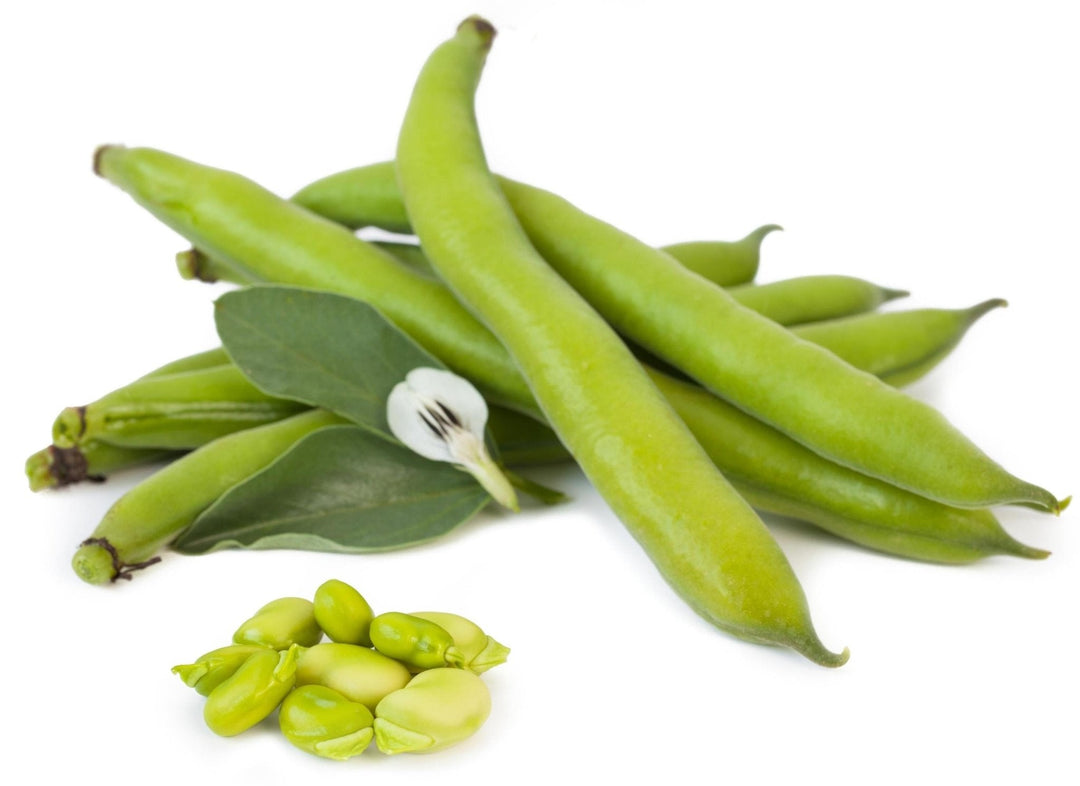
Organic Sweet Lorane Fava Bean Seeds - Vicia faba
Organic, Non-GMO, Open-Pollinated Sweet Lorane Fava Bean Seeds
A small seeded fava bean with a big delicious taste. Selected by Steve Solomon for great flavor. Favas are wonderful cover crops and this one is also excellent for your culinary adventures. Has a superb flavor when eaten fresh.
Sweet Lorane Fava Beans are a beautiful example of a crop that nourishes both the soil and the table. Long valued in traditional agriculture, favas have been grown for centuries as both a staple food and a powerful cover crop—and Sweet Lorane excels at both. As it grows, it fixes nitrogen, builds biomass, and improves soil structure, making it an excellent choice for regenerative gardens and farms. Sweet Lorane fava beans perform as both a food crop and a cover crop, offering resilienc and soil-building benefits in one versatile planting.
In the kitchen, Sweet Lorane truly shines. When harvested fresh, the beans have a superb, mild, and slightly sweet flavor with a creamy, buttery texture. They are wonderful lightly cooked, sautéed with olive oil and garlic, added to spring dishes, or enjoyed simply so their fresh flavor can take center stage.
Allowed to fully mature, Sweet Lorane also makes an excellent dry bean. The beans hold their shape well and develop a rich, satisfying flavor when slow-cooked, making them ideal for soups, stews, and hearty winter meals. We love fava hummus, offers an alternative and depth in flavor this simple dish - yum!
This variety is exceptionally cold hardy, tolerating temperatures down to 10°F, which makes it well-suited for fall planting, overwintering, and early spring harvests in many climates. Whether grown as a cover crop, a fresh shell bean, or a dry storage bean, Sweet Lorane Fava Beans offer resilience, nourishment, and versatility—making them a favorite for gardeners who value both soil health and exceptional flavor.
Seed Profile
- Organic
- Open-Pollinated
- Non-GMO
- Annual
- Sun: Full-Partial
- Direct Sow: When soil is workable
- Seed Count: 50
- Days to Maturity: 65-100
- Plant Size: 30"-36"
- Cold Hardy
Gardener Tips
Keep soil moist while seeds are germinating. Does great in cold weather, but does not do well in the heat. Excellent nitrogen fixer. Can be used as a cover crop.
Coldy hardy but young plants benefit from protection during prolonged hard freezes.
May benefit from light staking in windy areas. Pinching the growing tips once plants begin to flower can help redirect energy into pod production and discourage aphids.
Caution: Some people are allergic to favas!
Harvesting Tips
Fresh Eating - Harvest pods when they are plump, bright green, and still tender. At this stage, the beans inside are creamy, mildly sweet, and at their best for fresh cooking.
Shell Beans - Allow pods to grow larger and become slightly leathery while still green. The beans inside will be fully formed but not yet dry—perfect for hearty dishes and short storage.
Dry Beans - Leave pods on the plant until they turn brown and dry. Harvest before prolonged wet weather if possible, then finish drying pods in a well-ventilated space. Once fully dry, shell the beans and store them in an airtight container in a cool, dry place.
Seed Saving Tips
Allow pods to mature fully on healthy, vigorous plants, only. Choose plants with strong growth, good pod set, and desirable traits. Leave the pods on the plant until they turn brown, dry, and brittle.
Harvest pods before prolonged wet weather if possible, then finish drying them in a warm, well-ventilated area. Once completely dry, shell the beans and allow the seeds to air-dry for an additional week to ensure all internal moisture has evaporated.
Store saved seed in a cool, dry, dark place in a clearly labeled airtight container and properly label with variety name and year. When properly dried and stored, fava bean seeds remain viable for several years.


