
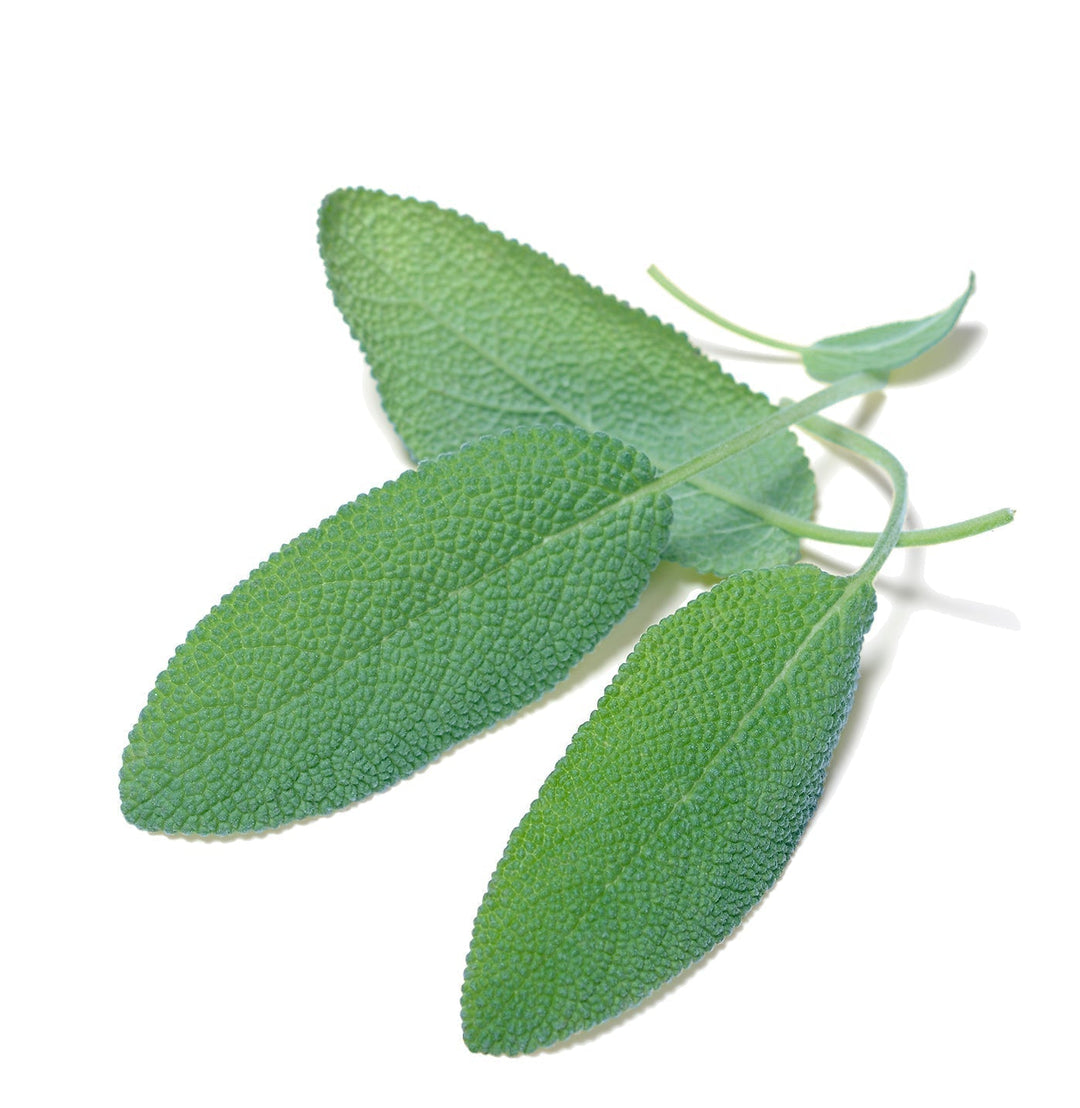
Organic Culinary Garden Sage Seeds - Salvia officinalis
Organic Non-GMO Open-Pollinated Culinary Sage Seeds
Culinary Sage (Salvia officinalis) has a rich history dating back thousands of years. Native to the Mediterranean, this ancient herb has been treasured for its culinary, medicinal, and symbolic value since antiquity. Revered by the Greeks and Romans for its healing powers, sage was used to soothe sore throats, aid digestion, and support respiratory health. Hippocrates, the “Father of Medicine,” praised its remarkable benefits.
Today, sage remains an essential herb in Mediterranean cuisine, loved for its earthy, savory aroma and flavor in meats, soups, and stews. One of our favorite ways to enjoy it is to fry the leaves gently in butter until crisp, then sprinkle them over squash soup absolutely delicious!
In medieval Europe, sage was believed to offer protection and ward off evil spirits. Modern gardeners prize it not only for its beauty and fragrance but also for its ability to attract bees and pollinators. Hardy and easy to grow, organic sage seeds thrive in sunny, well-drained soil and return year after year, offering abundance in both kitchen and garden.
Seed Profile
- Organic
- Non-GMO
- Perennial
- Sun: Full
- Indoors: 6-8 weeks before last frost
- Direct Sow: After last frost
- Seed Count: 250
- Plant Size: 18"-24"
- Days to Maturity: 90-110
- Drought Tolerant
- Flowers Attract : Bees, beneficial insects
Garden Tips
Can be hard to germinate.Sage seeds need light to germinate. Use a growing kit with a heating pad, light and dome for optimal growth.
It is key that your new starts be hardened off. This is a process that requires taking them outside during the day, for a period of time, before they are planted. This acclimates your seedlings to the outside world, meaning the elements like the wind and sun. We do it for several weeks to a month as this strengthens their stems and overall plant structure.
- Start for a short period of time initially, then graduate to more time each day
- One week minimum is recommended
- Bring them inside in the early evening and overnight
- Keep an eye on them and constantly water them. Make sure they have not blown over.
Transplant after danger of last frost after plant is at least 2" - 3" tall.
Mulch at base of plant.
Read our blog post on The Power of Mulching
Harvesting Tips
Begin harvesting lightly once plants are 6–8 inches tall. Pick leaves in the morning after dew dries. Snip stems just above a leaf pair to encourage new growth.
Hang small bundles in a warm, airy spot away from direct sun.


