
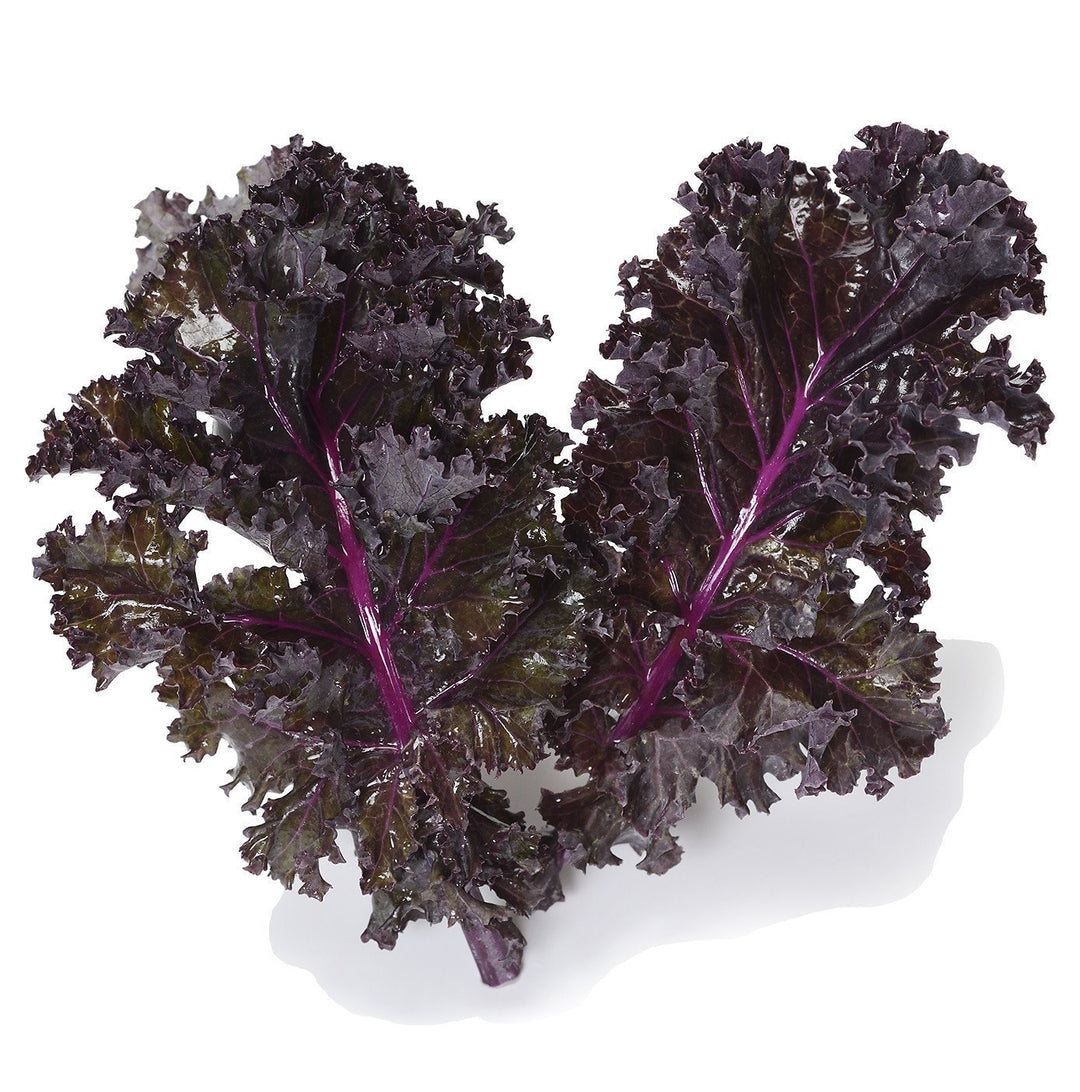
Organic Scarlet Kale Seeds - Brassica oleracea
Organic Non-GMO Open-Pollinated Scarlet Kale Seeds
A delicious purple hued curly kale, with similar characteristics to its other kale relatives, but is rich in anthocyanins a plant pigment that offers rich antioxidants. Scarlet Kale’s deep purple and red coloration takes on a unique and dramatic take with its deep toned veins and leaves.
The scarlet kale stands up to frosts and cold weather, improving the taste by adding sweetness. Cold weather also brightens its purple tones. Best eaten when young and tender especially raw in salads. One of the traditional ingredients in minestrone, this kale has a wide range of possibilities including pastas, stir fries, soups (add at the end), a steamed side dish or dehydrated into healthy "chips".
Seed Profile
- Organic
- Open-Pollinated
- Non-GMO
- Annual
- Exposure: Partial- Full
- Indoors: 6-8 weeks before last frost
- Direct Sow: When soil is workable
- Seed Count: 250
- Days to Maturity: 30 days Baby Kale; 55 days Mature Kale
- Plant Size: 25"- 36"
Gardener Tips
Even watering is ideal to prevent tough or bitter leaves. Mulch around the base to retain moisture and suppress weeds — this also keeps soil temperatures even. Best grown in late winter/spring or as a fall/winter crop. It will have tendency to bolt in hot temperatures.
Read our blog post on The Power of Mulching
Read our blog post on How to Always Have Greens Coming out of the Garden!
Harvest Tips
Baby Kale
Harvest when leaves are 2 to 4 inches long. At this stage, they’re tender, mild, and perfect for salads or smoothies.
Harvest typically 3 to 4 weeks after seeding, depending on temperature and sunlight. Leaves can easily be pinched off with the fingernail.
You can harvest leaves every 5 to 7 days as they regrow — baby kale is a great “cut-and-come-again” crop as long as you leave a minimum of a 2" central stem.
Mature Kale
Harvest when the leaves are about the size of your hand — young leaves are tender and milder, while mature leaves have a stronger flavor.
Start by picking the outermost leaves, leaving the central bud and smaller inner leaves to continue growing. Best to lightly twist the leaves off without ripping it from the central stem.
Note : Kale gets sweeter after a light frost, cold temperatures cause sugars to concentrate in the leaves.
Companion Plants
Onions, dill, marigolds, leeks, nasturtiums


